
 0
0
 0
0
Changing moisture levels across the year can strongly influence indoor air quality conditions. Property owners often notice hidden growth when the weather shifts suddenly between dry and wet periods. Proper monitoring becomes necessary when moisture remains trapped inside closed structures for long durations. Many professionals recommend mold testing and inspection spring branch east procedures during climate changes. Timely checks help reduce structural damage risk and protect indoor breathing conditions safely.
Moisture changes influence indoor surface conditions.
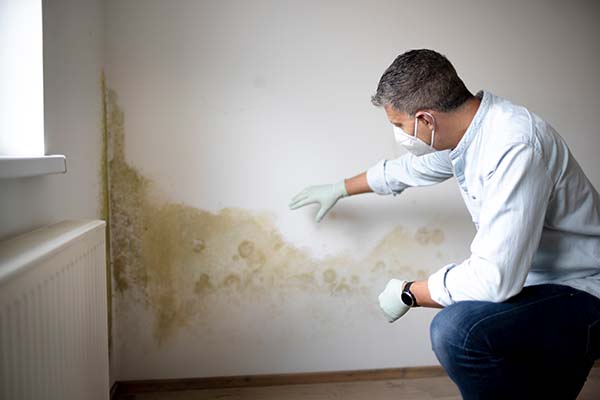
Humidity variation allows damp spots to appear on walls and ceilings. Warm air combined with moisture creates suitable conditions for hidden contamination.
Weather patterns increase hidden moisture formation
Seasonal air pressure differences push moisture into closed building spaces. Poor airflow makes trapped water remain longer inside interior materials.
Signs showing the need for property moisture evaluation
Early indicators often appear before visible marks become noticeable. Checking small changes prevents costly repair work later.
- Walls show dark patches after long humid weather conditions inside rooms
- Ceiling corners collect moisture during sudden temperature changes indoors
- Windows develop water drops during morning and evening climate shifts
- Wooden surfaces expand slowly due to constant damp air exposure
- Stored items smell unusual because of the moisture trapped in nearby areas
Inspection timing during high moisture periods
Correct timing helps detect growth before damage spreads across surfaces. Frequent checks during wet seasons reduce unexpected repair problems.
- Schedule checks after heavy rain periods affecting indoor air balance
- Inspect storage rooms where airflow remains limited for a longer duration
- Review ceiling spaces where warm air collects during humid days
- Check wall edges where outside moisture enters slowly through cracks
- Observe closed cabinets that trap damp air without proper ventilation
Property ventilation reduces moisture-related damage
Air movement plays an important role in controlling indoor dampness. Balanced airflow keeps surfaces dry and prevents unwanted growth.
- Open vents regularly to allow fresh air circulation inside rooms
- Use fans to move trapped air from closed interior sections
- Maintain clean filters to support steady airflow inside the property
- Keep windows open during dry weather to remove indoor moisture
- Avoid blocking air paths with furniture near wall surfaces
When should inspection frequency increase?
Frequent checks become necessary when climate changes remain unpredictable. Buildings with closed spaces require more attention during wet months. The monitoring schedule must adjust according to indoor moisture behaviour.
Monitoring schedule for indoor moisture control
Regular observation keeps indoor conditions stable throughout yearly weather changes. Planned inspection reduces sudden repair work and protects building materials.
- Monthly observation helps notice moisture before damage spreads widely
- Seasonal review keeps indoor air balanced during climate variation
- Storage areas require checking more often than open rooms
- Ceiling spaces need review after every long humid period
- Closed properties should be checked before reopening after months.
Safe property care steps
Stable indoor conditions protect walls, ceilings, and stored materials from damage. A correct schedule helps maintain safe breathing space inside buildings. Regular monitoring with mold testing and inspection spring branch east keeps structures safe. Balanced airflow reduces hidden moisture and prevents costly structural repair issues. Careful timing ensures early detection before contamination spreads across materials. Planned evaluation supports the long-term durability of interior surfaces safely. Consistent checks help maintain healthy indoor air throughout yearly weather changes.