
 0
0
 0
0
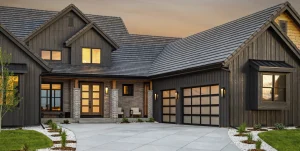
Careful building decisions now focus on reducing resource strain through smarter surface planning. Long-lasting roof structures support environmental balance while limiting repeated material usage. Design priorities increasingly include reduced waste, efficient production, and responsible material sourcing. Forward-focused planning aligns durability goals with sustainable construction expectations today. Interest surrounding roofing tweed heads reflects growing awareness toward responsible roofing development.
Sustainable Thinking During Early Planning
Early planning supports responsible material choices with reduced environmental impact. Thoughtful preparation lowers waste creation while improving long-term roof performance.
Material Responsibility in Roof Design
Responsible material selection balances strength, longevity, and reduced resource consumption. Well-chosen options support stability while limiting environmental footprint effectively.
Energy Conscious Roofing Solutions
Energy-focused roofing methods reduce external strain while supporting interior regulation. Smart choices help balance protection with environmental responsibility throughout usage.
- Reflective surfaces reduce heat absorption during prolonged sun exposure periods.
- Insulating layers support temperature balance without additional energy consumption.
- Surface finishes maintain performance while lowering cooling demand pressures.
- Material density influences thermal regulation across seasonal weather variations.
- Strategic layering improves efficiency without compromising structural strength.
Waste Reduction Through Smart Construction
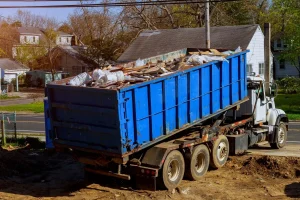
Construction planning influences material waste levels significantly. Efficient processes support cleaner building practices with fewer discarded resources.
- Precise measurements limit excess material production during installation stages.
- Modular components reduce cutting waste across project execution.
- Recyclable elements support reuse after extended service life.
- Controlled handling prevents damage, leading to unnecessary disposal.
- Planned logistics minimize surplus material accumulation onsite.
Longevity Supporting Environmental Goals
Longer-lasting roofs reduce frequent replacement needs. An extended lifespan supports sustainability through reduced manufacturing demand.
- Durable materials decrease replacement cycles over extended operational timelines.
- Strong construction limits repair frequency caused by early degradation.
- Protective coatings extend usability during harsh weather exposure.
- Structural resilience maintains integrity under repeated environmental stress.
- Reduced turnover lowers overall material consumption rates.
Maintenance Practices Supporting Sustainability
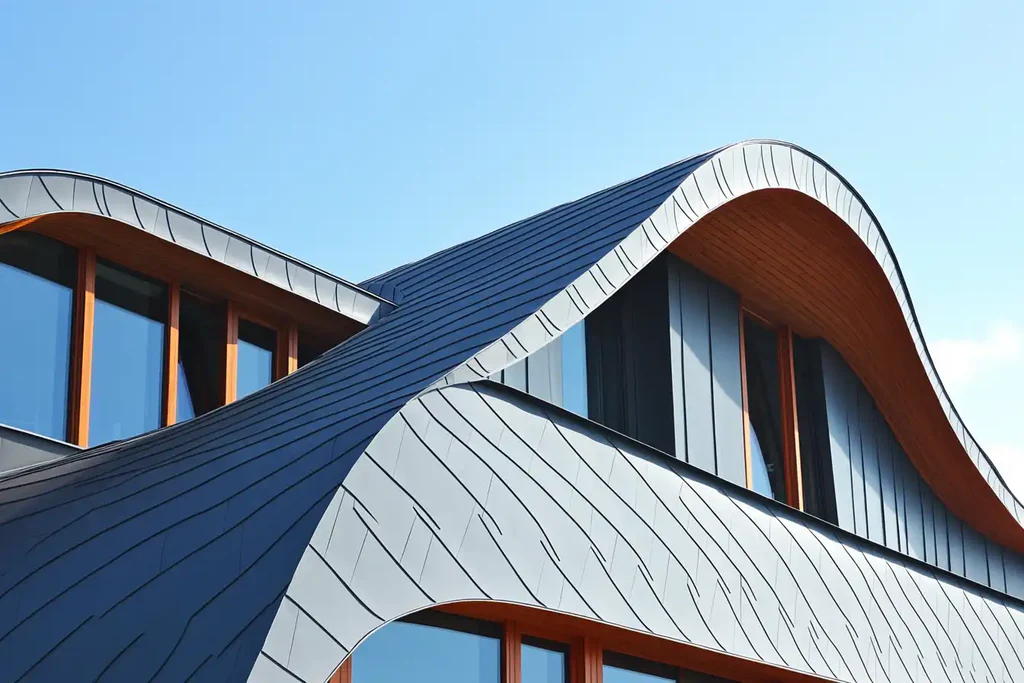
Maintenance planning contributes to sustainable performance outcomes. Regular care preserves materials while preventing premature system failure.
- Scheduled inspections identify concerns before material breakdown occurs.
- Minor repairs extend surface usability without full replacement requirements.
- Cleaning routines prevent buildup, causing accelerated deterioration.
- Seal preservation maintains protective layers against moisture penetration.
- Documentation supports informed decisions regarding future care actions.
Balancing Cost with Environmental Responsibility
Financial planning aligns closely with sustainable roofing goals. Responsible investment balances initial costs with long-term environmental benefits.
- Upfront quality reduces cumulative spending across extended ownership periods.
- Fewer repairs lower resource consumption during lifecycle use.
- Durable materials stabilize budgeting through predictable maintenance needs.
- Energy efficiency reduces associated operational resource demands.
- Long-term planning supports sustainable financial outcomes consistently.
How Do Sustainable Roofs Reduce Impact?
Sustainable roofs lower resource use through longevity and efficiency. Reduced waste generation supports environmental balance across building lifecycles. Thoughtful integration ensures protection while supporting responsible material management.
Responsible Roofing Growth
Responsible roofing supports environmental balance through thoughtful planning decisions. Integrated sustainability reduces waste while preserving structural reliability. Long-term thinking aligns building goals with resource protection priorities. Evaluating materials, processes, and maintenance ensures meaningful environmental contribution. Awareness of roofing tweed heads supports responsible development through sustainable roofing practices.
Helpful Clarifications
- Why consider sustainability in roofing? Sustainability lowers waste, reduces resource use, and supports long-term durability.
- Does sustainable roofing cost more initially? Initial investment balances through reduced maintenance and longer lifespan benefits.
- Can sustainable roofs handle harsh conditions? Well-designed systems maintain strength while supporting environmental responsibility.