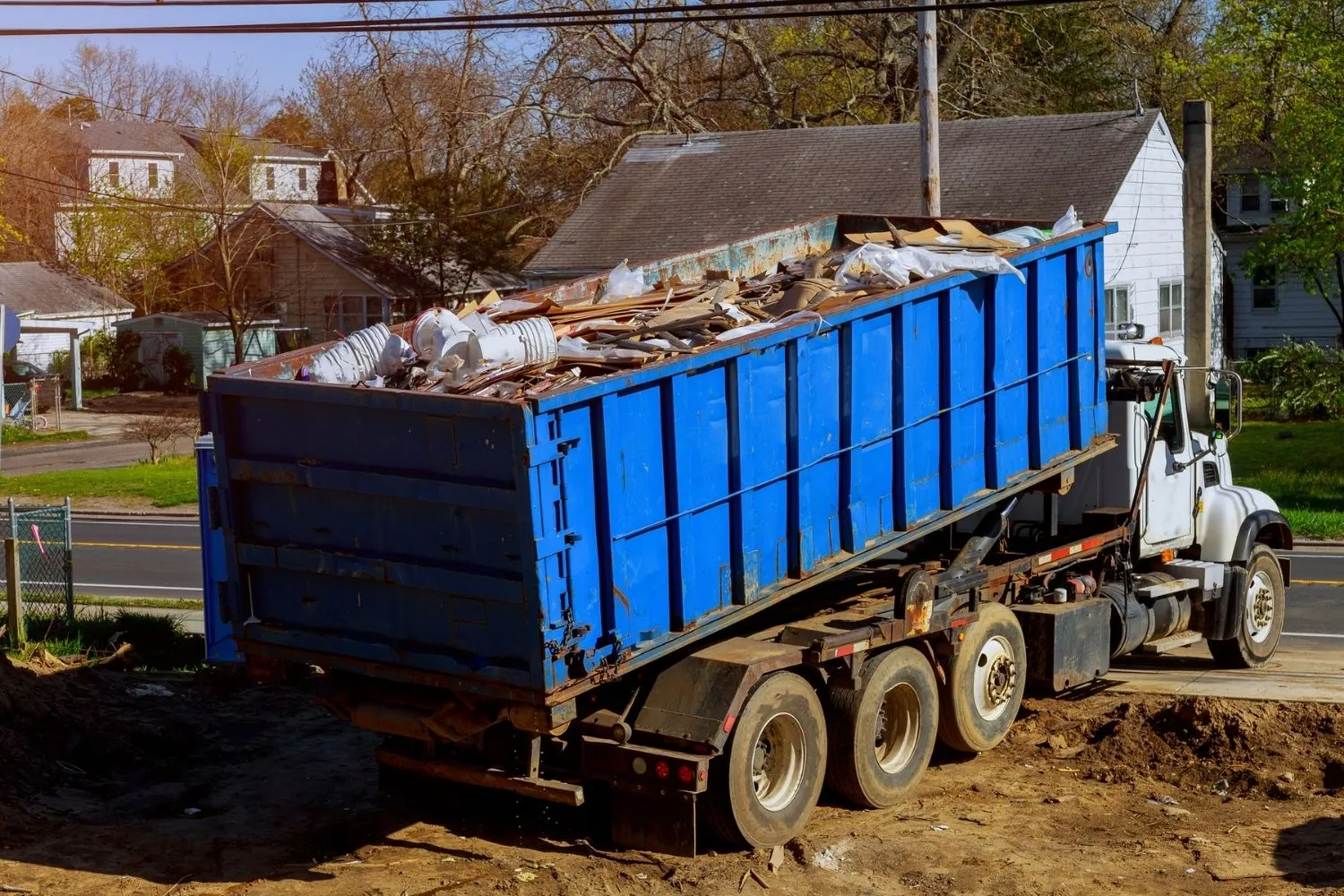
free junk removal near me

Understanding Environmental Benefits of Responsible Junk Disposal Practices in Raleigh Hills

0 0
Read Time:2 Minute, 13 Second

Every day, clean-up choices shape how the surroundings remain healthy over time. Thoughtful waste handling reduces unwanted buildup while supporting cleaner shared spaces. People now look beyond quick removal toward mindful sorting and reuse. Responsible habits lower harm to soil, air, and water sources. Communities grow stronger when disposal follows care-based thinking. Awareness in Raleigh Hills continues to rise as people value smarter clean-up actions.

  • Waste reduction methods
  • Resource reuse awareness
  • Cleaner community spaces
  • Lower pollution risks
  • Long-term sustainability focus
  • Responsible disposal habits

Careful sorting and mindful removal protect surroundings while encouraging healthier daily living.

• Waste reduction methods

Limiting excess waste helps reduce pressure on dumping areas. Proper separation ensures reusable items stay useful longer. Fewer discarded materials mean less strain on natural systems. Cleaner surroundings often reflect responsible disposal habits practiced consistently.

• Resource reuse awareness

Reusing items supports conservation of raw materials. Many household objects can serve new purposes. Donation and recycling reduce the need for fresh production. This practice supports balance between use and renewal.

• Cleaner community spaces

Responsible removal keeps shared areas orderly. Reduced clutter improves safety and appearance. Clean spaces support stronger neighborhood pride. People feel encouraged to maintain their surroundings respectfully.

• Lower pollution risks

Proper disposal prevents harmful substances from spreading. Soil and water remain safer with careful handling. Air quality benefits from reduced dumping activities. Healthy surroundings support overall well-being.

• Long-term sustainability focus

Planning waste removal thoughtfully supports future needs. Resources remain available for longer periods. Communities gain resilience through mindful habits. Sustainable choices protect shared environments.

• Responsible disposal habits

Consistent actions build positive routines. Sorting materials before removal becomes second nature. Awareness spreads through visible results. One practice can influence many people. Responsible habits guide better outcomes through steady, mindful action.

Lasting Impact Path

Clear solutions begin with small, responsible actions taken daily. Choosing mindful disposal reduces harm while supporting balance within surroundings. Cleaner spaces improve safety and encourage shared responsibility. When people follow structured removal habits, resources remain useful longer. Understanding the environmental benefits of responsible junk disposal practices in Raleigh Hills shows how thoughtful choices support healthier living while guiding practical solutions for ongoing care.

Frequently Asked Questions
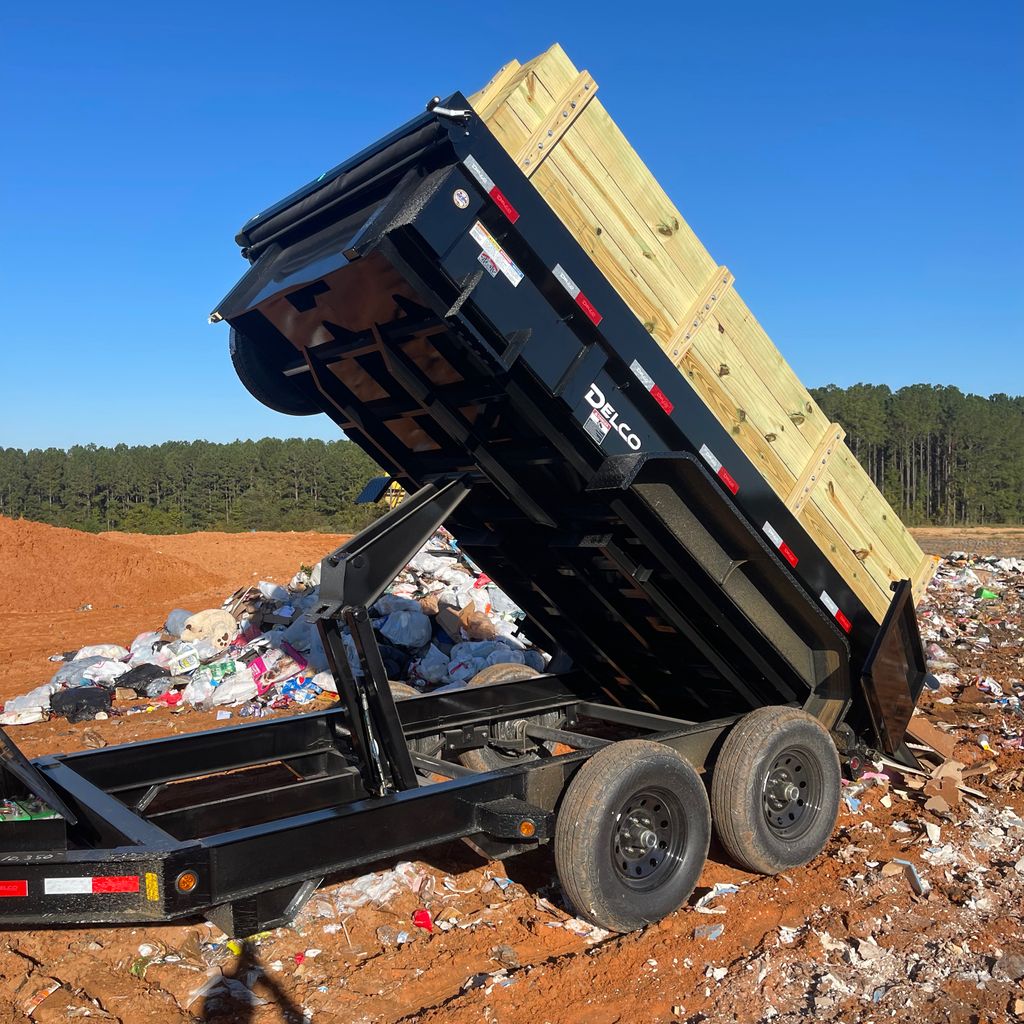
junk removal

  • Why is responsible disposal helpful to nature?

It limits waste spread and protects soil water quality.

  • How does sorting waste support the environment?

Sorting allows for reuse, recycling, and reducing unnecessary dumping.

  • Does proper disposal reduce pollution?

Yes, it lowers harmful leaks into the surroundings.

  • Can reuse lower resource demand?

Reusing items reduces the need for new materials.

  • Why community habits matter?

Shared efforts create cleaner, safer surroundings.

  • How small actions create impact?

Daily mindful choices build long-term environmental balance.

Happy
Happy
0 %
Sad
Sad
0 %
Excited
Excited
0 %
Sleepy
Sleepy
0 %
Angry
Angry
0 %
Surprise
Surprise
0 %
Continue Reading

Integrating Sustainable Practices into Contemporary Roofing Developments, roofing tweed heads

0 0
Read Time:2 Minute, 48 Second

Careful building decisions now focus on reducing resource strain through smarter surface planning. Long-lasting roof structures support environmental balance while limiting repeated material usage. Design priorities increasingly include reduced waste, efficient production, and responsible material sourcing. Forward-focused planning aligns durability goals with sustainable construction expectations today. Interest surrounding roofing tweed heads reflects growing awareness toward responsible roofing development.

Sustainable Thinking During Early Planning

Early planning supports responsible material choices with reduced environmental impact. Thoughtful preparation lowers waste creation while improving long-term roof performance.

Material Responsibility in Roof Design

Responsible material selection balances strength, longevity, and reduced resource consumption. Well-chosen options support stability while limiting environmental footprint effectively.

Energy Conscious Roofing Solutions

Energy-focused roofing methods reduce external strain while supporting interior regulation. Smart choices help balance protection with environmental responsibility throughout usage.

  • Reflective surfaces reduce heat absorption during prolonged sun exposure periods.

  • Insulating layers support temperature balance without additional energy consumption.
  • Surface finishes maintain performance while lowering cooling demand pressures.
  • Material density influences thermal regulation across seasonal weather variations.
  • Strategic layering improves efficiency without compromising structural strength.

Waste Reduction Through Smart Construction

Construction planning influences material waste levels significantly. Efficient processes support cleaner building practices with fewer discarded resources.

  • Precise measurements limit excess material production during installation stages.
  • Modular components reduce cutting waste across project execution.
  • Recyclable elements support reuse after extended service life.
  • Controlled handling prevents damage, leading to unnecessary disposal.
  • Planned logistics minimize surplus material accumulation onsite.

Longevity Supporting Environmental Goals

Longer-lasting roofs reduce frequent replacement needs. An extended lifespan supports sustainability through reduced manufacturing demand.

  • Durable materials decrease replacement cycles over extended operational timelines.
  • Strong construction limits repair frequency caused by early degradation.
  • Protective coatings extend usability during harsh weather exposure.
  • Structural resilience maintains integrity under repeated environmental stress.
  • Reduced turnover lowers overall material consumption rates.

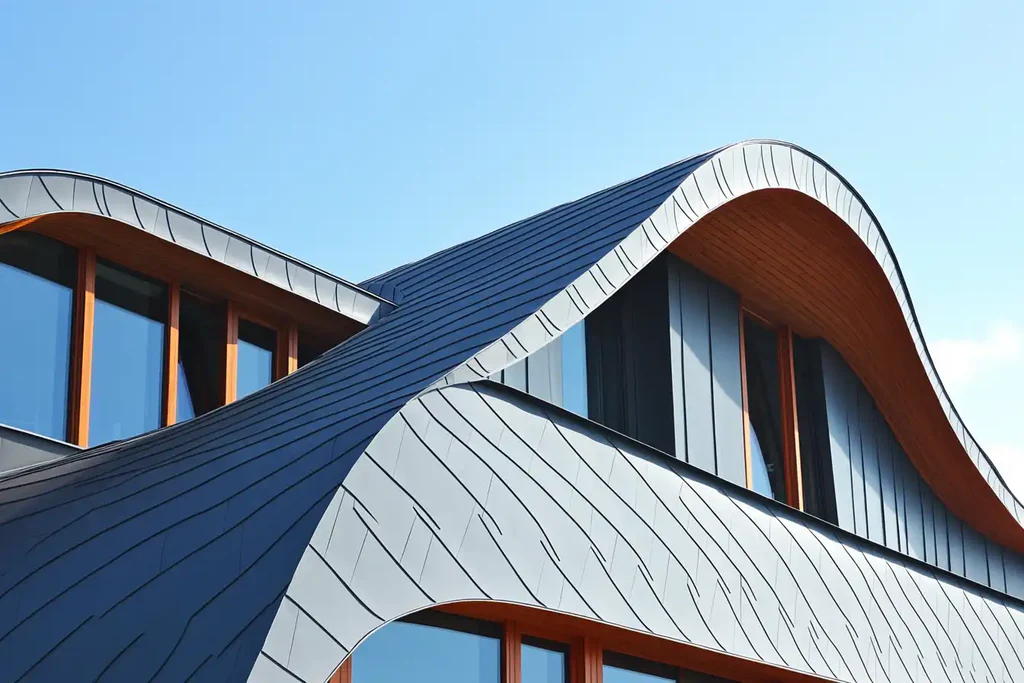
Roofing_Styles_in_Contemporary_Architecture_diffe_3b0ed873-2120-4233-915b-9eb54f3060c1_3_1_1024x1024

Maintenance Practices Supporting Sustainability

Maintenance planning contributes to sustainable performance outcomes. Regular care preserves materials while preventing premature system failure.

  • Scheduled inspections identify concerns before material breakdown occurs.
  • Minor repairs extend surface usability without full replacement requirements.
  • Cleaning routines prevent buildup, causing accelerated deterioration.
  • Seal preservation maintains protective layers against moisture penetration.
  • Documentation supports informed decisions regarding future care actions.

Balancing Cost with Environmental Responsibility

Financial planning aligns closely with sustainable roofing goals. Responsible investment balances initial costs with long-term environmental benefits.

  • Upfront quality reduces cumulative spending across extended ownership periods.
  • Fewer repairs lower resource consumption during lifecycle use.
  • Durable materials stabilize budgeting through predictable maintenance needs.
  • Energy efficiency reduces associated operational resource demands.
  • Long-term planning supports sustainable financial outcomes consistently.

How Do Sustainable Roofs Reduce Impact?

Sustainable roofs lower resource use through longevity and efficiency. Reduced waste generation supports environmental balance across building lifecycles. Thoughtful integration ensures protection while supporting responsible material management.

Responsible Roofing Growth

Responsible roofing supports environmental balance through thoughtful planning decisions. Integrated sustainability reduces waste while preserving structural reliability. Long-term thinking aligns building goals with resource protection priorities. Evaluating materials, processes, and maintenance ensures meaningful environmental contribution. Awareness of roofing tweed heads supports responsible development through sustainable roofing practices.

Helpful Clarifications

  • Why consider sustainability in roofing? Sustainability lowers waste, reduces resource use, and supports long-term durability.
  • Does sustainable roofing cost more initially? Initial investment balances through reduced maintenance and longer lifespan benefits.
  • Can sustainable roofs handle harsh conditions? Well-designed systems maintain strength while supporting environmental responsibility.
Happy
Happy
0 %
Sad
Sad
0 %
Excited
Excited
0 %
Sleepy
Sleepy
0 %
Angry
Angry
0 %
Surprise
Surprise
0 %
Continue Reading