
Finding Reliable Legal Help After A Traffic Injury

 0
0
 0
0
An accident does not feel legal at first. It feels loud. Sudden. Physical. Later, when the noise fades, paperwork begins. Medical appointments stack up. Insurance calls start repeating the same questions. That is usually when someone searches for Auto accident attorney near me, not out of anger, but out of uncertainty. Since uncertainty is exhausting.
Questions people forget to ask early
In the beginning, most people focus only on cost. That is understandable.
But other questions matter just as much:
- Who will handle communication directly
- How often updates are provided
- What documents are needed immediately
- What realistic outcomes look like
Clear answers early prevent frustration later. And sometimes frustration grows simply because expectations were never defined.
Local search intent and proximity factors
The auto accident attorney reflects more than location preference. It signals urgency. Accessibility. A desire for someone familiar with local court procedures and filing deadlines.
Local attorneys understand regional insurance patterns. They know how certain courts operate. That familiarity can shorten confusion.
Still, proximity alone is not everything. Communication style and case strategy matter too.
Sometimes people assume closer means better. Sometimes it does. Sometimes it does not.
Protecting your rights throughout the process
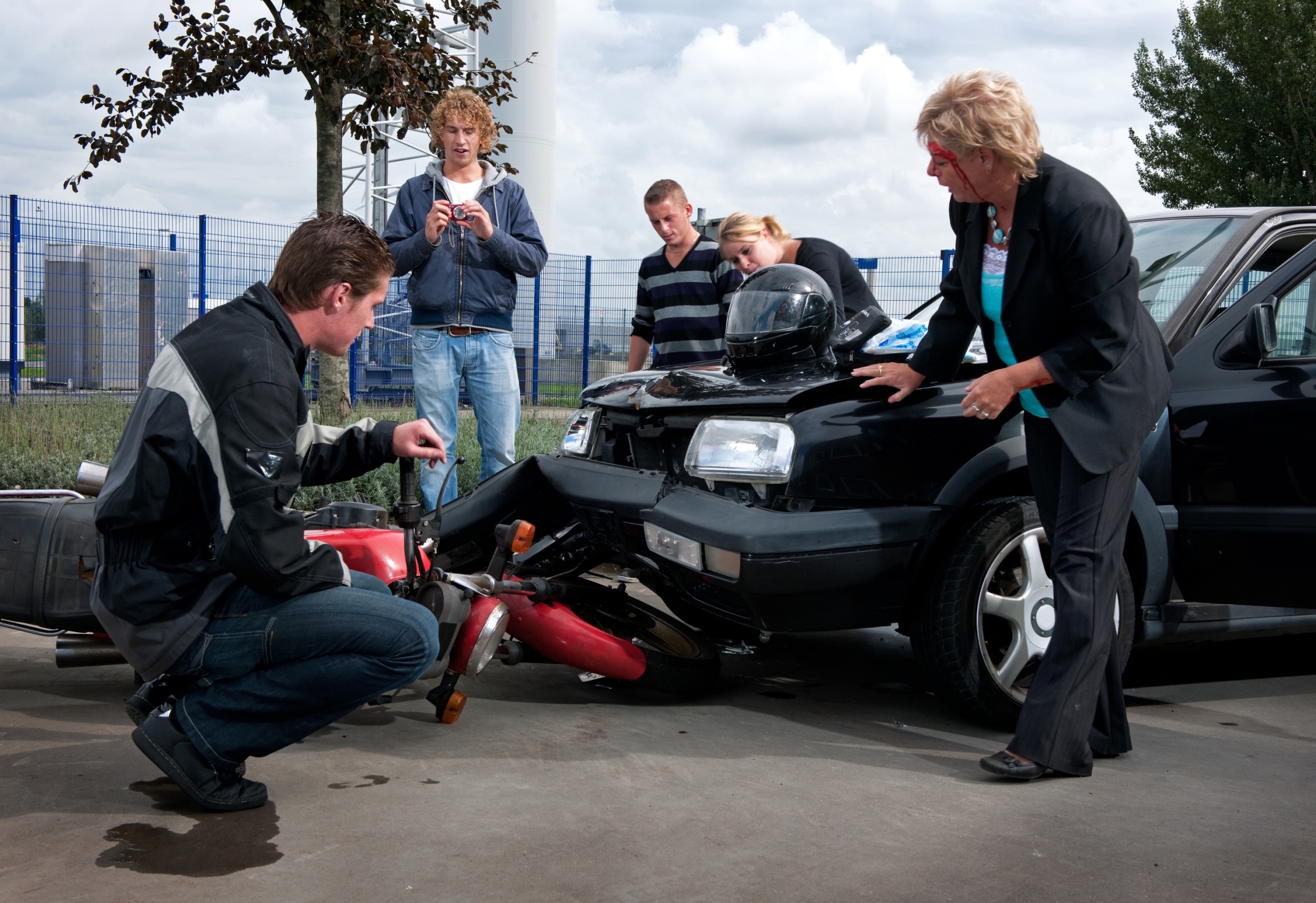
After an injury, documentation becomes your strongest protection.
Keep records of:
- Every medical visit
- Missed work days
- Prescription costs
- Repair invoices
- Written communication with insurers
Even small gaps can create questions during negotiations. Consistency builds a stable foundation.
It may feel repetitive. It is necessary.
Understanding negotiation versus litigation
Many assume legal help automatically means going to court. That is not usually true.
Most injury cases begin with negotiation. Evidence is gathered. A demand is calculated. Discussions move back and forth.
If agreement fails, litigation becomes the next step. That stage introduces stricter deadlines and more formal procedures.
And once formal deadlines begin, flexibility decreases quickly.
How compensation is realistically calculated
Compensation is built from measurable factors:
- Current medical expenses
- Future treatment projections
- Lost income
- Reduced earning ability
- Pain and life disruption
Sometimes expectations at the start shift once full medical impact becomes clear. Traffic injuries interrupt routines in ways that linger. Work schedules change. Sleep patterns shift. Daily comfort becomes unpredictable.
Choosing legal support is not about escalating conflict. It is about creating structure when things feel scattered. When negotiations stall or liability becomes unclear, working with an auto accident attorney near me can help bring order to a process that otherwise feels uncertain.
Recovery is rarely instant. Legal clarity should move at a steady pace alongside it.