Dental Procedures

Understanding the Role of Mindful Movement in Dental Procedures

0 0
Read Time:3 Minute, 44 Second

The Evolution of Modern Dental Care

The landscape of dental care has undergone a remarkable transformation over recent decades, with practitioners such as a dentist Coorparoo increasingly recognising the profound impact of holistic approaches on patient outcomes. Among these developments, the integration of mindful movement techniques has emerged as a particularly noteworthy advancement, offering both dental professionals and patients enhanced experiences during various procedures.

Mindful movement represents a deliberate approach to physical awareness and intentional positioning that extends far beyond traditional patient comfort measures. This practice encompasses conscious breathing techniques, gentle body positioning adjustments, and purposeful muscle relaxation methods that work in harmony with conventional dental treatments. The concept acknowledges that the human body functions as an interconnected system, where tension in one area can significantly influence comfort levels throughout the entire experience.

The Science Behind Movement and Relaxation

Research has consistently shown that controlled movement and positioning can significantly impact stress responses during medical procedures. When patients engage in mindful movement practices, their nervous systems often shift from a state of heightened alertness to a more balanced state, facilitating smoother treatment experiences. This physiological response occurs through the activation of the parasympathetic nervous system, which naturally promotes relaxation and reduces anxiety levels.

The relationship between physical positioning and psychological comfort proves particularly relevant in dental settings, where patients may experience varying degrees of apprehension. Mindfulness techniques that reduce stress during dental visits have gained considerable attention within the dental community, with many practitioners observing notable improvements in patient cooperation and overall satisfaction.

Practical Applications in Clinical Settings

Pre-Treatment Preparation

The implementation of mindful movement begins well before patients settle into the dental chair. Progressive muscle relaxation techniques, combined with guided breathing exercises, help establish a foundation of calm awareness that carries through the entire appointment. These preparatory practices enable patients to develop greater bodily awareness whilst simultaneously reducing muscular tension that might otherwise complicate treatment procedures.

Many dental practices have begun incorporating brief movement sessions into their pre-treatment protocols. These sessions typically involve gentle neck rolls, shoulder adjustments, and conscious breathing patterns that help patients feel more grounded and present during their appointments.

During-Treatment Techniques

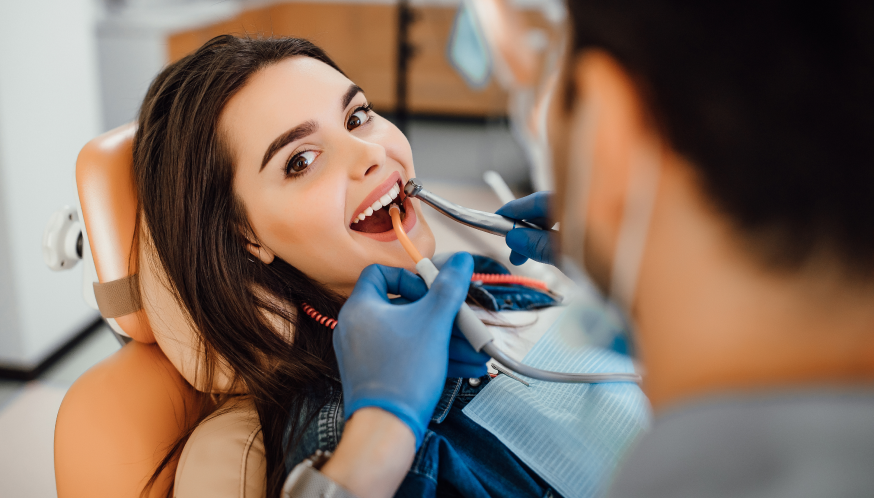
Throughout dental procedures, subtle movement adjustments can significantly enhance patient comfort without interfering with clinical precision. These techniques include gentle hand positioning, conscious foot placement, and rhythmic breathing patterns that help maintain relaxation whilst allowing practitioners to work unimpeded. The key lies in finding the delicate balance between stillness required for precise dental work and the gentle movements that promote ongoing comfort.

Practitioners have observed that patients who engage in mindful movement during treatments often report reduced perception of discomfort and improved overall experiences. This phenomenon occurs because focused attention on purposeful movement can redirect the mind’s attention away from potential sources of anxiety, creating a more pleasant atmosphere for both patient and practitioner.

Benefits for Dental Professionals

The advantages of incorporating mindful movement extend beyond patient comfort to encompass practitioner wellbeing as well. Dental professionals who adopt these techniques often experience reduced physical strain from maintaining awkward positions during lengthy procedures. The connection between mindfulness practices and improved dental care outcomes has become increasingly recognised within professional circles.

Regular implementation of movement awareness can help prevent repetitive strain injuries while promoting better posture and enhanced focus during intricate procedures. This dual benefit creates a more sustainable practice environment where both patients and practitioners can thrive.

Integration with Contemporary Dental Practices

Modern dental practices are discovering innovative ways to weave mindful movement principles into their daily routines. From redesigned waiting areas that encourage gentle stretching to treatment rooms equipped with comfort-enhancing features, the physical environment plays a crucial role in supporting these practices. Stress-reducing practices for healthier dental experiences continue to evolve as more practitioners recognise their value.

The success of these approaches often depends on consistent application and genuine commitment from the entire dental team. When mindful movement becomes an integral part of practice culture rather than an afterthought, patients naturally respond with greater trust and cooperation.

Looking Towards the Future

As dental care continues to evolve, the integration of mindful movement techniques represents a promising direction for enhancing patient experiences whilst supporting practitioner wellbeing. This holistic approach acknowledges the fundamental connection between physical comfort and psychological ease, creating opportunities for more compassionate and comprehensive dental care that benefits everyone involved in the treatment process.

Any surgical or invasive procedure carries risks. Before proceeding, you should seek a second opinion from an appropriately qualified health practitioner.

Happy
Happy
0 %
Sad
Sad
0 %
Excited
Excited
0 %
Sleepy
Sleepy
0 %
Angry
Angry
0 %
Surprise
Surprise
0 %
Continue Reading

Strong Online Presence Starts With Clear Communication

0 0
Read Time:2 Minute, 52 Second

Every dental clinic wants to be seen, trusted, and chosen. But the real success comes when the message feels honest. Patients notice tone more than design. They remember how a clinic makes them feel through its words and presentation. That is why building an online presence is less about style and more about clarity.

When people find useful information that sounds kind and simple, they stay longer. That small change in approach, combined with thoughtful tools like dental digital marketing, helps turn quiet websites into trusted spaces for real people.

Finding The Message That Represents Your Clinic

Every clinic has something unique maybe a calm waiting area, a gentle approach to care, or an experienced team. The goal is to bring that same feeling online. Many clinics lose their identity because they sound too generic.

Here are ways to find a true message:

  • Ask what makes the clinic different from others.
  • Write that in the simplest possible words.
  • Keep the same tone everywhere website, email, and social media.
  • Use real images that match the words.
  • Share patient experiences with permission and gratitude.

When the message feels natural, people remember it easily. They start to associate the clinic with trust and comfort instead of just another listing online.

Making Every Channel Work Together Smoothly

dental care plan

Having a website alone is not enough. A strong digital presence needs balance across all online spaces. Social platforms, reviews, newsletters, and blogs all play a role.

To make that balance work:

  • Use the same tone and design in all platforms.
  • Post updates at regular intervals.
  • Keep patient communication simple and personal.
  • Encourage happy patients to share feedback online.
  • Link all pages so visitors can move around easily.

This consistency tells people that the clinic is active and available. It also creates a sense of familiarity, which leads to trust over time.

Visual Storytelling That Builds Recognition

Visuals carry emotion faster than text. A soft color, a smiling face, or a calm background can communicate comfort before any word is read. Visual storytelling connects people to your brand even when they scroll past quickly.

Some visual ideas that work well:

  • Short videos showing staff or simple care tips.
  • Clean photos of the clinic environment.
  • Subtle use of color that matches the clinic’s mood.
  • Infographics explaining dental hygiene tips.
  • Before-and-after transformations with patient approval.

People remember pictures better than numbers. When visuals tell a friendly story, they build quiet recognition that lasts.

Why Simplicity Wins In Communication

Complex marketing often fails because it feels cold. Simplicity builds closeness. The goal is to make every visitor understand what the clinic offers without confusion.

Simple communication achieves several things:

  • It saves people’s time and builds respect.
  • It makes information easier to share.
  • It reduces fear about dental procedures.
  • It increases confidence in booking an appointment.

When clarity leads the way, trust follows naturally. People do not want perfect websites; they want clear ones that make them feel comfortable.

The Quiet Power Of Clear Presence

Digital growth does not happen through noise but through calm, steady visibility. A few regular updates, friendly visuals, and consistent tone create a brand that people remember. The role of dental digital marketing is to keep that presence active so your voice reaches the right audience at the right time.

In the end, patients choose what feels human. Clear communication makes your clinic visible, believable, and familiar and that is what true online strength looks like.

Happy
Happy
0 %
Sad
Sad
0 %
Excited
Excited
0 %
Sleepy
Sleepy
0 %
Angry
Angry
0 %
Surprise
Surprise
0 %
Continue Reading

What to Ask Your Pediatric Dentist During Your Visit

0 0
Read Time:2 Minute, 5 Second

A child’s dental checkup is vital to their health. Parents can prepare thoughtful questions to establish trust and improve care. Asking the proper questions helps you learn oral habits and support your child at home. The talk covers cleanliness, growth, and every day routines. It boosts confidence and eliminates concerns for your child. A well-prepared talk promotes lifetime dental health and family-dental team cooperation.

Prepare for Checkups

Small preparations make every appointment stress-free.

  • Give your youngster pleasant words before leaving home.
  • Carry familiar toys to encourage friendship.
  • Avoid fatigue by keeping the timetable comfortable.
  • Let your child watch before their turn.
  • Tell simple successes to reassure.

Assessing oral cleanliness

Discuss ways to make regular cleaning fun for your kid. The Pediatric Dentist Silver Lake can teach you age-appropriate habits.

Knowing Tooth Growth

Ask about tooth growth and how to check it without bothering your child.

Managing Early Dental Visits

Children form dental care opinions after their first few visits. Learn to stay calm and manage strain.

The Value of Parenting

Parents are crucial to healthy routines. Ask how your engagement can spark your child’s oral health interest.

Pediatric Dentist Silver Lake

Nutrition and Dental Health

Get diet-dental strength guidance. Knowing what affects teeth helps you choose healthier foods daily.

Home Care Advice

Discuss innovative approaches to maintain oral health outside the clinic. Supportive home practices that teach younger children self-responsibility are easy.

Preventing Common Issues

Find out how to stop common childhood dental diseases with simple daily performs to reinforce gums and protect teeth.

Oral Development Discussion

Dental progress conversations might show issues early.

  • Discuss misaligned or delayed changes.
  • Learn new tooth arrival times.
  • Strengthen your jaw with workouts.
  • Regularly review cavity prevention tips.
  • Experts can help you compare modest achievements.

Comfort during procedures

Always protect your child’s comfort.

  • Ask about kids’ pain relief.
  • Discuss treatment-related natural reactions.
  • Choose mentally relaxing language for your child.
  • Prepare your child with calm explanations.
  • Ask for positive follow-up advice.

Strong appointment communication ensures quality growth and reduces parent anxiety. The Pediatric Dentist Silver Lake encourages lifetime health conducts for comfort, consciousness, and shining smiles.

FAQs

At what age is best for a child’s first dentist visit?

After the initial tooth appears, it aids start early monitoring and prevention.

How often should kids have checkups?

Regular six-month visits balance oral growth and detect understated alterations before they worsen.

Why is early dental education crucial?

Early accountability, consistency, and awareness establish the basis for lifelong oral health.

Happy
Happy
0 %
Sad
Sad
0 %
Excited
Excited
0 %
Sleepy
Sleepy
0 %
Angry
Angry
0 %
Surprise
Surprise
0 %
Continue Reading