





















































































How Mold Manufacturing Supports Consistent Production of Detailed Industrial Components

 0
0
 0
0
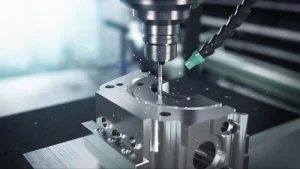
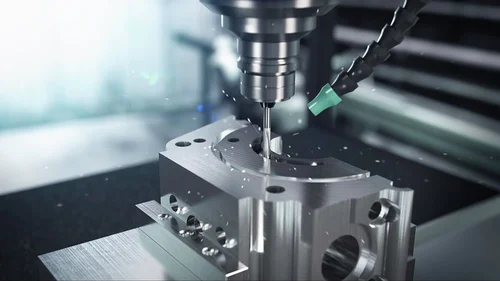
Detailed component production requires forming methods that keep shape, size, and surface quality steady. Mold manufacturing creates accurate cavities suited to repeated industrial work. Careful design helps producers maintain close dimensions while reducing variation during each production cycle. Clear specifications guide material flow, cooling, and release stages. These processes support reliable component output and quality standards for parts produced through a machine shop in Dallas.
Quality Checks Support Accuracy
Inspection methods confirm whether produced parts match specifications. Measurements can cover dimensions, feature locations, surface condition, and overall shape. A mold check helps teams compare results across production batches and identify changes early.
- Clear measurements confirm dimensions before repeated production continues safely.
- Careful inspection checks small features against approved drawings consistently.
- Recorded results help trace changes across production batches clearly.
- Suitable gauges support steady checks during routine manufacturing work.
- Early corrections reduce waste from repeated dimensional errors quickly.
These checks create a practical link between tooling quality and dependable component output.
Accurate Cavity Design
Precise cavity design establishes the form required for each component. Engineers study drawings, dimensions, material needs, and production quantities before shaping the cavity. The mold profile helps reduce unwanted changes between repeated pieces while supporting clean edges. A machine shop in Houston can use measured specifications to coordinate tooling work with production needs.
Controlled Material Flow
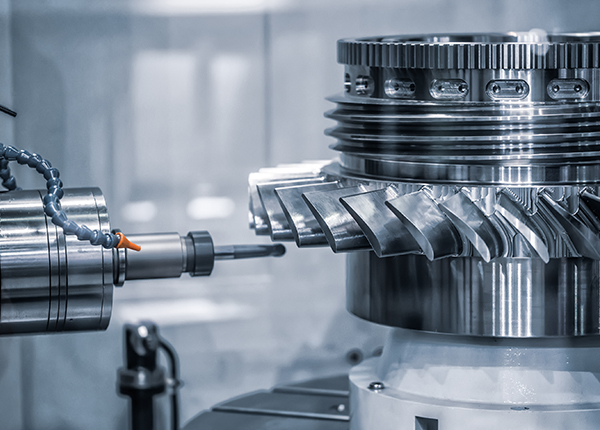
Material movement inside the cavity affects shape strength and surface quality. Channels must guide the material toward detailed sections without creating weak areas or uneven filling. A balanced mold path can reduce waste while helping each cycle produce a closer match. Cooling paths also help control shape changes as the formed part becomes stable.
Reliable Repeat Production
Repeated production depends on tooling that keeps its form across cycles. Strong construction helps the cavity resist wear caused by pressure, heat, and repeated use. Each mold check can identify small changes before they influence component dimensions. This approach supports steady output while limiting avoidable interruptions during manufacturing runs.
Detailed Feature Formation
Small grooves, holes, edges, and other features require careful control during forming. Tool geometry must match the required shape, so fine details remain clear throughout production. The mold geometry can also influence fitting, sealing, or later assembly steps. Suitable tooling reduces manual correction while helping detailed components meet stated measurements.
Stable results are strengthened using tooling engineering with managed flow. Sound construction reinforces repeat work while frequent inspection reveals changes. Clear measurements set useful targets before work starts. Scheduled checks reveal wear early so timely corrections remain possible. Organized procedures help specialized units retain sizes while limiting waste.