Why Regular Professional Cleanings Can Detect Health Problems Before Your GP Does

 0
0
 0
0
The Mouth as a Window to Overall Health
Most people consider dental appointments as purely cosmetic exercises or necessary evils to prevent cavities. However, the reality is far more fascinating and medically significant. The mouth serves as a remarkable diagnostic gateway to the body’s overall health, often revealing early warning signs of systemic conditions long before symptoms manifest elsewhere. A private dentist Manchester is uniquely positioned to spot these indicators during routine examinations, making regular professional cleanings an unexpectedly vital component of preventive healthcare.
The oral cavity provides direct visual and tactile access to soft tissues, blood vessels, and bone structures that can reflect the body’s internal state. During a thorough dental examination, practitioners observe far more than just teeth and gums. They assess tissue colour, texture, and integrity whilst looking for abnormalities that may indicate underlying health concerns. This privileged vantage point, combined with the frequency of dental visits compared to general medical check-ups, creates an opportunity for early detection that shouldn’t be underestimated.
Systemic Diseases That Manifest in the Mouth
Research has established compelling connections between oral health and numerous systemic conditions. Recent evidence examining the link between oral health and systemic diseases demonstrates that the mouth often serves as an early warning system for conditions affecting the entire body. These connections are not merely coincidental but reflect genuine physiological relationships that medical professionals increasingly recognise as clinically significant.
Diabetes and Gum Disease
The relationship between diabetes and periodontal disease represents one of the most well-documented oral-systemic connections. Individuals with undiagnosed or poorly controlled diabetes frequently present with persistent gum inflammation, delayed healing, and increased susceptibility to oral infections. A dentist may notice these patterns during routine cleanings, prompting referrals for blood glucose testing that ultimately lead to diabetes diagnoses. The inflammation works bidirectionally too, with severe gum disease potentially affecting blood sugar control and increasing diabetes risk.
Cardiovascular Disease Indicators
The connection between oral health and heart disease continues to intrigue researchers and clinicians alike. Chronic periodontal inflammation may contribute to atherosclerosis, with oral bacteria potentially entering the bloodstream and affecting arterial health.
Dental professionals who observe severe gum disease, particularly in younger patients without obvious risk factors, may recommend cardiovascular screening that proves diagnostically valuable. The mouth’s inflammatory state can serve as a barometer for systemic inflammation, offering clues about cardiovascular risk that warrant further investigation.
Oral Cancer and Lesions
During professional cleanings, dental hygienists and dentists routinely perform oral cancer screenings, examining the tongue, cheeks, palate, and throat for suspicious lesions. These examinations can detect precancerous changes or early-stage cancers that patients themselves haven’t noticed. Early detection dramatically improves treatment outcomes, making these routine screenings potentially life-saving. Beyond cancer, unusual oral lesions may indicate autoimmune conditions, vitamin deficiencies, or blood disorders that require medical attention.
The Advantage of Frequency and Familiarity
One often overlooked advantage of regular dental visits is their frequency compared to general medical appointments. Most people see their dentist twice yearly, whilst GP visits may occur less regularly, particularly for those who feel generally well. This consistent contact allows dental professionals to establish baselines and notice subtle changes over time. Studies on the systemic implications of oral health underscore how this regular monitoring can identify gradual changes that might otherwise go unnoticed until more serious symptoms develop.
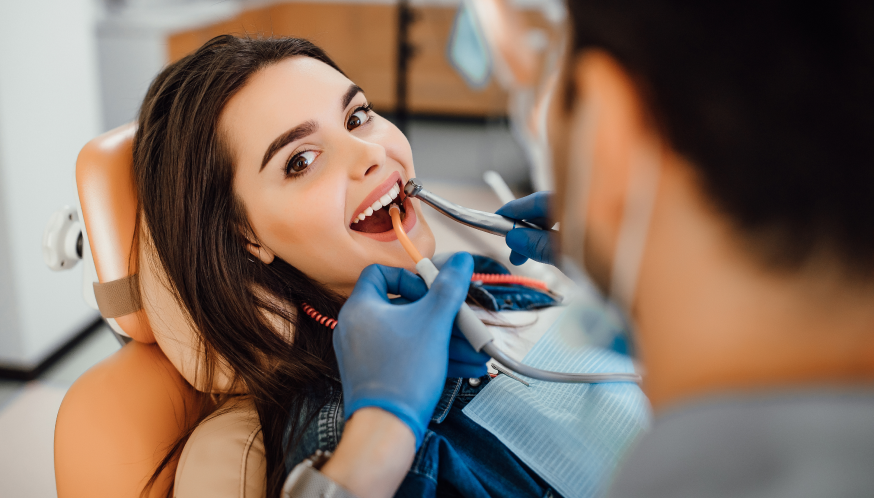
Furthermore, the thoroughness of professional cleanings means that every surface of the mouth receives attention. Dental professionals use specialised lighting, magnification, and instruments that provide detailed views impossible to achieve during self-examination. This comprehensive approach, combined with professional training in recognising abnormalities, creates an effective screening mechanism for various health concerns.
The Value of Preventive Dental Care
The evidence supporting regular professional dental cleanings extends well beyond cavity prevention and bright smiles. These appointments represent valuable opportunities for holistic health surveillance, with dental professionals serving as frontline detectives for systemic conditions. Research exploring oral health’s broader implications continues to reveal new connections between dental health and overall wellbeing, reinforcing the importance of maintaining consistent dental care schedules.
By recognising the mouth as an integral component of the body’s interconnected systems rather than an isolated entity, patients can appreciate how visiting a private dentist contributes to comprehensive health maintenance. Regular professional cleanings offer far more than clean teeth—they provide an invaluable early warning system that can detect serious health problems before conventional symptoms appear.